Source Front Wheel Adapter for Car Tuning, Truck Tuning, and ATV
Compare 30 front wheel adapter options from verified Chinese manufacturers. Buyers can evaluate specifications like PCD, material, and customization support for car tuning, truck tuning, and ATV applications.
Key considerations
Products List




Comprehensive Sourcing Guide
Front Wheel Adapter Sourcing Guide
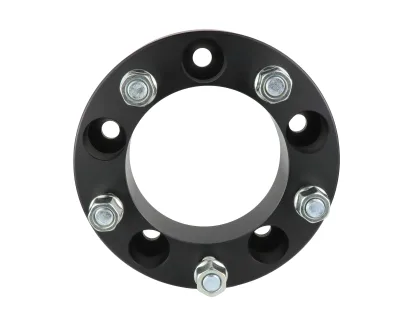
Sourcing front wheel adapters requires a precise understanding of the specific vehicle platform and the intended modification goals, as these components serve as critical interfaces between the wheel hub and the wheel itself. The primary function of a front wheel adapter is to adjust the offset and track width, often to accommodate larger tires or to correct alignment issues in tuning scenarios. Buyers must recognize that these parts are frequently categorized under wheel accessories and are essential for 4WD applications, truck tuning, and ATV modifications where factory specifications do not meet performance or aesthetic requirements.
The procurement process for these adapters involves navigating a market where customization is a standard expectation rather than an exception. Suppliers typically offer support for custom dimensions, allowing buyers to specify exact PCD (Pitch Circle Diameter) configurations ranging from 4-lug to 8-lug patterns, including common variations like 4x100, 5x114.3, and 6x135. Because the product is often a non-standard component, the buyer must verify that the specific adapter model matches the vehicle's axle number and drive wheel configuration to ensure structural integrity and safe operation under load.
Product Scope and Observed Listing Signals
The observed product listings for front wheel adapters reveal a diverse range of materials and manufacturing techniques, primarily utilizing iron and aluminum as the base raw materials. These components are often produced using press, bending, braze, and stamping processes, with high-precision CNC machining and forging available for more demanding applications. The material choice significantly influences the final weight and durability, with iron offering robust strength for heavy-duty truck tuning while aluminum provides a lighter alternative for car tuning and performance applications.
Listing signals indicate that these adapters are available in various finishes, including zinc coating for corrosion resistance and color options such as blue, red, black, and silver. The packaging varies from simple cartons to more protective combinations involving bubble film and wooden cases, depending on the size and fragility of the specific model. Buyers should note that while some listings specify a standard size like 363225, many products require the buyer to consult the details page for exact dimensions, as the "See The Details Page" specification is common for custom-fit items.
Technical Specifications to Verify
Verifying the PCD configuration is the most critical technical step, as the adapter must match the vehicle's hub pattern exactly to prevent mounting failures. The market supports a wide array of bolt patterns, including 4x10⁸, 5x120, 6x139.1, and 8x170, among others, and the buyer must ensure the selected adapter corresponds to the specific lug count and diameter of their vehicle. Mismatched PCD values can lead to catastrophic wheel failure, so the verification process must include a cross-reference of the vehicle's factory specifications against the adapter's listed PCD 4, 5, 6, or 8 data points.
Tolerance and dimensional accuracy are equally vital, with high-quality listings specifying a tolerance of ±0.01mm to ensure a perfect fit on the hub face. The drawing formats provided by suppliers, such as Dwg, Pdf for 2D designs and X_T, .Igs, .STP for 3D models, allow buyers to validate the geometry before production. Additionally, the condition of the product should be confirmed as "New," and the buyer must check if the adapter is designed for a single deck or specific axle configurations, as these factors affect the load-bearing capacity and installation procedure.
Compliance and Safety Documentation
Safety documentation for front wheel adapters often includes a range of certifications such as ISO, TUV, VIA, DOT, and CE, which indicate that the product has undergone specific quality and safety assessments. While some listings explicitly state these certifications, buyers must treat them as observations of specific batches rather than universal guarantees for every listed product. It is essential to request current certification documents for the specific model being purchased, as the presence of a certification mark on a general listing does not automatically apply to every unit in the supply chain.
The standard component classification for these adapters varies, with some listed as non-standard components requiring custom engineering and others adhering to normal industry standards. Buyers should verify if the product meets specific regional safety standards, particularly for applications involving 4WD or heavy truck tuning where regulatory compliance is strict. The absence of a specific standard in a listing should prompt a direct inquiry to the supplier regarding the testing protocols used to validate the adapter's structural integrity under dynamic driving conditions.
Cost Drivers and Commercial Terms
The cost of front wheel adapters is driven by the complexity of the manufacturing process, the choice of raw material, and the level of customization required. Listings show a wide price range, reflecting the difference between standard stamped iron components and precision-forged or CNC-machined aluminum units. Buyers should anticipate that custom orders, which may involve unique PCD patterns or specific color finishes, will incur higher costs due to the setup time and specialized tooling required for non-standard production runs.
Commercial terms such as Minimum Order Quantity (MOQ) and lead time are significant factors in the procurement strategy, with observed MOQs ranging from 1 to 5000 units and lead times typically falling between 25 and 30 days. The MOQ of 50 units is frequently cited for custom orders, while smaller quantities may be available for standard stock items. Buyers must factor these lead times into their production schedules, especially when sourcing for tuning projects or fleet upgrades where timing is critical to avoid delays in vehicle deployment.
Supplier Qualification and Quality Control
Supplier qualification for front wheel adapters should focus on their production capabilities, specifically their ability to handle both standard and non-standard components with high precision. The presence of advanced processing techniques like CNC machining and forging suggests a supplier's capacity to meet tight tolerance requirements, which is essential for maintaining the safety and performance of the wheel assembly. Buyers should verify the supplier's origin, noting that many manufacturers are based in China or Zhejiang, and assess their track record in delivering consistent quality for automotive tuning applications.
Quality control measures must be explicitly defined in the procurement agreement, with a focus on the "Good" quality rating observed in many listings. This rating should be backed by specific inspection protocols, including checks on the coating quality, such as zinc plating, and verification of the final dimensions against the provided 2D or 3D drawings. Buyers should request sample units to test the fit and finish before committing to larger orders, ensuring that the product meets the expected standards for durability and aesthetic appeal in both car and truck tuning environments.
Long-Term Procurement Checks
Long-term procurement of front wheel adapters requires establishing a relationship with suppliers who can maintain consistent quality and availability over time. Since these components are often customized, the supplier must demonstrate the ability to replicate the exact specifications for future orders without deviation, ensuring that replacement parts or additional units match the original batch. Buyers should maintain a detailed record of the specific model numbers, such as HDCA223 or HDCA007, and the associated PCD configurations to streamline future reordering processes.
Regular audits of the supply chain are necessary to verify that the supplier continues to adhere to the agreed-upon standards and certifications. This includes monitoring changes in raw material sources, such as the shift between iron and aluminum, and ensuring that the production process remains stable. By maintaining open communication regarding quality feedback and performance data, buyers can mitigate risks associated with supply chain disruptions and ensure that their fleet or tuning projects remain safe and compliant with industry standards.
FAQs
What materials are used for front wheel adapters?
Front wheel adapters are typically manufactured from iron or aluminum. Some products utilize seamless tube or steel sheet plate as raw materials. The choice of material depends on the specific application requirements, such as load-bearing capacity or weight sensitivity for car or truck tuning.
Can I customize the color of the wheel adapter?
Yes, customization is available for wheel adapters. Standard color options include blue, red, black, and silver. Buyers can also request customized colors to match specific vehicle aesthetics or branding requirements, ensuring the final product meets their visual preferences.
What certifications do these wheel adapters hold?
These adapters hold various certifications including ISO, TUV, VIA, DOT, and CE. Some specific components may also carry TSISOMaterial certifications. These standards ensure the products meet international quality and safety requirements for automotive applications.
What is the typical lead time for production?
The standard lead time for production is 25-30 days. This timeframe applies to most orders, including those requiring customization. Buyers should plan their procurement schedules accordingly to ensure timely delivery for their vehicle tuning or replacement needs.
Which PCD patterns are supported for wheel adapters?
Supported PCD patterns include 4X100, 4X114.3, 4X110, and 4X10⁸ for 4-lug setups. 5-lug options cover 5X112, 5X120, 5X114.3, 5X139.7, 5X135, 5X150, and 5X10⁸. Additional patterns are available for 6-lug and 8-lug configurations.
How are the wheel adapters packaged for shipping?
Packaging methods vary by product type. Common options include carton packing, carton with bubble film, or wooden cases. Some items use small packing combined with carton and pallet for secure transport. This ensures protection during transit to the destination.